
How To Build Oversized & Unisex Size Charts For Shopify
Learn how to build an oversized size chart for Shopify with garment measurements, fit notes, chest width, length, and product-specific Lavar size guides.

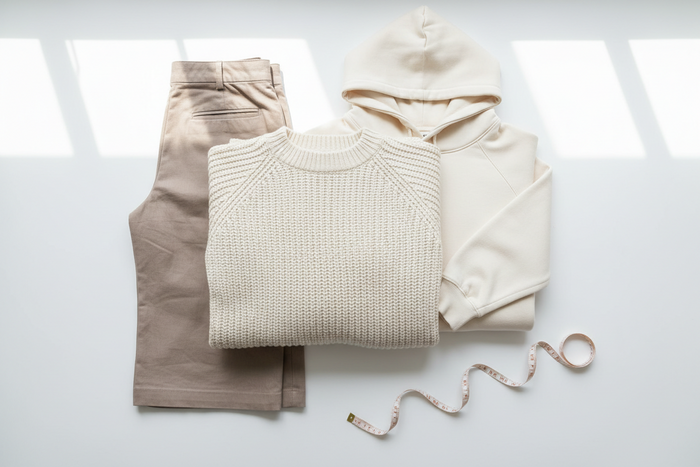
An oversized size chart for Shopify should tell shoppers more than whether a product is S, M, or L.
For oversized, relaxed, and unisex apparel, shoppers need to understand what the garment physically measures, how much ease is intentionally built into the fit, and what happens if they choose their usual size, size down, or size up.
A useful guide combines garment chest width, body or garment length, sleeve measurements where relevant, optional body measurements, and a short fit note that explains the intended silhouette.

Why S, M and L Are Not Enough for Oversized Fits
Letter sizes become less informative when the garment is intentionally cut larger than the shopper's body.
Oversized is a design choice
Oversized does not simply mean that a product runs large. The extra room is usually part of the pattern and may come from a wider chest, dropped shoulder, fuller sleeve, longer body, or boxier silhouette.
The exact construction varies by product, so merchants should avoid using one universal definition of oversized fit across the catalog.
Unisex labels do not explain actual proportions
A label such as "Unisex M" tells shoppers very little about the actual dimensions of the product.
Two unisex T-shirts can use the same S–XL size range while having very different chest widths, shoulder construction, sleeve lengths, and body lengths.
Shoppers may size down for the wrong reason
When shoppers see the word "oversized," they may assume their normal size will be too large and automatically choose one size smaller.
If the product was designed to create its intended silhouette in the shopper's usual size, sizing down can remove the proportion the garment was designed to have.
A useful size guide should therefore explain the intended fit instead of relying on measurements alone.
Product-specific sizing: Lavar lets merchants create separate size charts and assign them by individual product, collection, or product tag.
Start With Garment Measurements
For oversized clothing, finished garment measurements often explain the fit more clearly than the size label alone.
Measure chest width clearly
Chest width is especially useful for oversized T-shirts, sweatshirts, hoodies, and similar tops because it shows how much horizontal room the garment provides.
If you measure the product flat from armpit to armpit, label the value clearly as Garment Chest Width. Do not simply call the column "Chest" because shoppers may mistake it for body circumference.
Include body length
Length helps shoppers understand whether the garment is cropped, standard, longline, or intentionally extended as part of the oversized silhouette.
Choose one measurement method, such as the high shoulder point to the bottom hem, and use the same method across every size.
Add sleeve or shoulder measurements when relevant
Dropped-shoulder T-shirts, oversized hoodies, raglan styles, and relaxed jackets may need additional measurements to explain the silhouette accurately.
Useful fields can include sleeve length, shoulder width, dropped-shoulder width, or a raglan sleeve measurement, depending on how the garment is constructed.
Only include measurements that help the shopper make a sizing decision rather than filling the chart with unnecessary dimensions.

When to Add Body Measurements Too
Garment measurements show what the product measures, while body measurements help shoppers compare those dimensions with themselves.
Use garment measurements for silhouette
Garment measurements are particularly useful for oversized products because customers can compare them with clothing they already own.
A shopper can lay a favorite oversized T-shirt flat, measure its chest width and length, and compare those numbers directly with your product.
Use body measurements for size recommendations
Body measurements can help when the merchant has verified how different body sizes relate to each garment size.
For example, a body chest range can support a recommendation for S, M, or L while the garment measurements show how much additional room the product provides.
Only use these recommendations when they are based on your actual pattern, fitting process, or production specifications.
Label both measurement types clearly
Never place garment and body measurements in a table without explaining which is which.
| Measurement Label | What It Means |
|---|---|
| Garment Chest Width | Width of the product measured flat across the chest |
| Body Chest Circumference | Measurement around the shopper's body |
| Garment Body Length | Length of the finished garment |
| Sleeve Length | Product measurement using the method specified by the merchant |
How to Explain Oversized, Relaxed and Unisex Fit
Fit terminology should explain what shoppers can expect instead of functioning as another vague marketing label.
Define oversized in product-specific language
Instead of writing only "Oversized Fit," explain which part of the garment creates that fit.
Useful descriptions might include:
- Designed with extra room through the chest and body.
- Dropped shoulder with a wider, boxier silhouette.
- Longer body with a relaxed fit through the torso.
The wording should reflect the actual product rather than a generic definition of oversized clothing.
Separate relaxed from oversized
Relaxed and oversized should not automatically be treated as synonyms.
A relaxed garment may add moderate ease while preserving a fairly conventional shoulder and body shape, while an oversized garment may intentionally exaggerate width, shoulder placement, sleeve volume, or length.
Explain what happens when shoppers size up or down
If your fitting process supports it, tell shoppers how changing size affects the silhouette.
- Choose your usual size: intended oversized or relaxed fit.
- Size down: closer fit with less volume.
- Size up: more exaggerated oversized silhouette.
Do not add this guidance automatically to every product. It should match how the actual garment behaves when different sizes are worn.
How to Build an Oversized Size Chart
A practical oversized size chart should connect each size label with the physical measurements that define the garment's silhouette.
Build the table around real measurements
Use current production specifications or measurements taken from physical samples rather than copying a generic apparel chart.
| Size | Garment Chest Width | Body Length | Sleeve Length | Fit Note |
|---|---|---|---|---|
| S | Your verified measurement | Your verified measurement | Your verified measurement | Product-specific fit guidance |
| M | Your verified measurement | Your verified measurement | Your verified measurement | Product-specific fit guidance |
| L | Your verified measurement | Your verified measurement | Your verified measurement | Product-specific fit guidance |
| XL | Your verified measurement | Your verified measurement | Your verified measurement | Product-specific fit guidance |
Add a short How to Measure guide
Tell the shopper exactly how each measurement was taken so they can reproduce it at home.
For example, explain that the garment should be laid flat, chest width should be measured from armpit to armpit, and body length should be measured from the specified shoulder point to the hem.
Include a fit note beside the chart
Do not hide the most important sizing instruction inside a long description below the product details.
A short note such as "This style is intentionally oversized. Choose your usual size for the intended fit." can help shoppers interpret the numbers immediately when that guidance has been verified for the product.
How Lavar Handles Product-Specific Size Charts
Lavar helps merchants avoid forcing oversized, relaxed, standard, and unisex products into one generic sizing table.
Create custom rows and columns
Lavar size charts can be customized around the information each product actually needs.
Merchants can edit table cells, add or remove rows and columns, insert images or links, and adjust visual elements such as fonts and colors.
An oversized T-shirt can therefore use chest width, body length, and sleeve measurements while another product category uses a completely different table.
Assign charts to the right products
Lavar supports assigning size charts to individual products, collections, or product tags.
This is useful when a catalog includes several fit systems, such as oversized tees, standard tees, relaxed hoodies, and unisex garments that should not share the same sizing logic.
Keep the guide close to the size selector
Shoppers should not need to leave the product page to understand how a garment fits.
Lavar supports size-chart placement through storefront options such as an inline link using an app block or a floating button, helping merchants keep sizing guidance close to the variant decision.

Practical fit: Lavar is especially useful when several product groups use different patterns and need their own size guidance without creating separate theme layouts.
One Unisex Chart or Separate Charts?
A single unisex chart works only when the products genuinely share the same measurements and pattern logic.
One chart can work for one consistent pattern
If several products use the same T-shirt blank or production pattern and only differ in color, artwork, or print, one shared chart can be practical.
The key requirement is that the physical measurements and intended fit remain consistent across those products.
Separate charts when patterns differ
An oversized tee, standard unisex tee, heavyweight boxy tee, and relaxed hoodie should not automatically share one chart simply because they all use S, M, L, and XL labels.
If chest width, shoulder construction, body length, sleeve dimensions, or intended ease changes, the size guide should change too.
Assign charts by collection or product tag
Groups such as "Oversized," "Unisex Tee," or "Relaxed Hoodie" can each map to a different size guide.
Using collection or product-tag assignments can make the system easier to maintain than attaching every size chart manually one product at a time.
Related reading: See How to Assign Clothing Labels Like “Unisex”, “Mens”, “Womens” or “Kids” on Shopify for a broader product-labeling approach.
Common Oversized Size Chart Mistakes
Most sizing confusion comes from ambiguous measurements or vague fit language rather than the existence of the chart itself.
Showing only S, M and L
Letter sizes give shoppers no physical reference for how wide, long, or roomy the garment actually is.
Add the measurements that define the silhouette so customers can compare the product with their body or clothing they already own.
Mixing body and garment measurements
A flat garment chest width and a body chest circumference can look contradictory when the chart does not explain the difference.
Use explicit column names and keep measurement terminology consistent across product pages.
Saying oversized without explaining intended fit
"Oversized" alone does not tell the shopper whether the extra volume comes from the chest, shoulder, sleeves, length, or several parts of the pattern.
A short product-specific fit note can often prevent more confusion than adding another row of unexplained measurements.
A Practical Size Chart Checklist
Before publishing an oversized or unisex guide, make sure shoppers can understand both the measurements and the silhouette those measurements are meant to create.
Verify garment measurements
Use current production specifications or physical samples and make sure the same measuring method is applied across every size.
If the supplier changes the pattern, update the size chart as part of the same product-maintenance workflow.
Explain the measurement method
Clarify whether a garment is measured flat, whether chest means width or circumference, and where each length measurement begins and ends.
A simple measuring diagram can be useful when the product has unfamiliar measurement points.
Test the chart on mobile
Oversized and unisex charts can become wide once garment measurements, body guidance, and fit notes are combined.
Check that shoppers can read the relevant columns, access the fit note, and return to the size selector without excessive horizontal scrolling or confusion.
- Use measurements from the actual product.
- Separate garment measurements from body measurements.
- Explain what oversized, relaxed, or unisex means for that product.
- Explain sizing up or down only when the fit has been verified.
- Assign the chart only to products that share the same pattern logic.
- Check the complete size guide on mobile before publishing.

Final Thoughts
An oversized size chart for Shopify should explain what the garment physically measures and what silhouette it is designed to create, so use clear garment measurements, verified body guidance where useful, specific fit notes, and Lavar product-level assignments instead of relying on S, M, and L alone.
FAQ
These questions cover the most common sizing decisions merchants face with oversized and unisex products.
What measurements should an oversized Shopify size chart include?
Start with the measurements that define the garment's silhouette, such as chest width, body length, and sleeve or shoulder measurements where relevant. Use actual product measurements rather than generic values.
Should a unisex size chart use body or garment measurements?
Garment measurements are especially helpful for explaining oversized and unisex fit, while verified body measurements can provide additional size guidance. If you use both, label them clearly so shoppers do not confuse garment width with body circumference.
Can Lavar use different size charts for different products?
Yes. Lavar can assign size charts to individual products, collections, or product tags, making it useful when oversized, relaxed, standard unisex, and other fits use different measurement systems.
Read More