
Build an Online Jewelry Store Shoppers Love
Learn how to launch a jewelry store shoppers trust: pick a niche, build a brand, set up a conversion-ready Shopify store, create stunning product pages, and grow with SEO, social, email, and reviews.

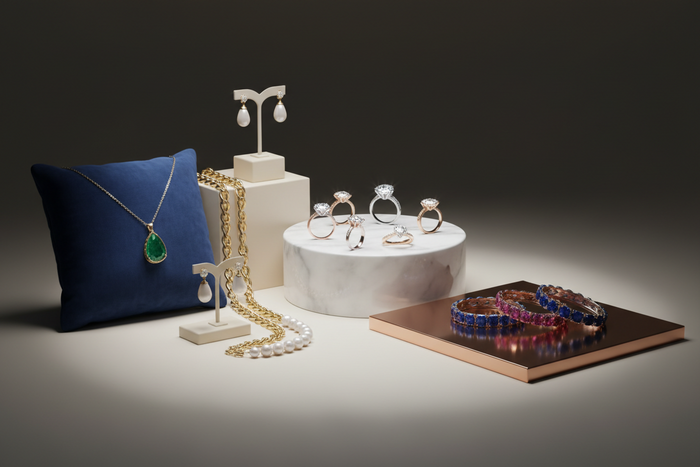
Jewelry is never “just a product.” It’s identity, emotion, and meaning—worn close to the body and often tied to a moment someone remembers for years. That’s why selling jewelry online is both exciting and demanding: customers can’t try it on, feel the weight, or judge the sparkle in person. Your store has to create trust fast.
The good news: a well-built online jewelry store can reach customers globally, build a loyal community, and scale without needing a physical showroom. The key is to combine a clear niche, strong brand storytelling, and a buying experience that feels premium, safe, and effortless—especially on mobile.
This guide walks you through a practical launch plan you can execute on Shopify, plus the marketing and trust systems that help jewelry brands grow beyond their first sales.

Start With a Jewelry Niche That Can Win
Jewelry is a crowded category, which is exactly why niche positioning matters. A niche is not a limitation—it’s the fastest way to become memorable. When shoppers feel like your store is “for people like me,” conversion gets easier and marketing gets cheaper.
Common jewelry niches include:
- Affordable fashion jewelry that follows trends and encourages repeat purchases
- Body jewelry with sizes, materials, and comfort-first specs
- Plated jewelry for “luxury look” buyers who want value
- Handmade or made-to-order pieces with personalization
- Fine jewelry with craftsmanship, rarity, and long-term value
- Vintage jewelry with storytelling and one-of-one finds
- Fair-trade and ethical jewelry built on transparency and values
Pick a niche by asking two questions:
- What does this customer value most—price, design, meaning, ethics, rarity, or personalization?
- What can I deliver consistently—quality, story, service, or speed?
When your niche is clear, your product pages read better, your content strategy becomes obvious, and your audience grows faster.
Define Your Brand Before You Build the Store
Jewelry is one of the most brand-sensitive categories in ecommerce. Customers buy based on emotion, but they justify with proof. That means your brand must feel coherent across every touchpoint.
Clarify your “why”
Are you designing jewelry for confidence? For minimal everyday wear? For gifts that feel personal? For ethically sourced materials? Write one sentence that explains the promise your brand makes.
Choose a consistent aesthetic
Luxury brands often lean into moody lighting and minimal typography. Playful fashion brands lean into bright, bold colors. Both can work—what matters is consistency across:
- product photography
- fonts and color palette
- tone of voice in descriptions and emails
- packaging and unboxing expectations
Build trust through transparency
Jewelry buyers want details. Make it easy to learn what they’re buying:
- materials and finishes
- allergy-safe notes (when relevant)
- care instructions
- warranty and returns
In jewelry, clarity is part of the brand experience.
Build Your Store on Shopify as a Scalable Foundation
Your ecommerce platform is not just a website builder—it’s operational infrastructure: product management, payments, checkout, orders, and data. For jewelry brands, you want a system that supports both conversion and trust.
Shopify is a strong foundation because it helps you launch quickly, iterate easily, and scale without rebuilding everything later. The most important part is how you set up your storefront experience.

Store essentials to prioritize
- Mobile-first design: jewelry discovery happens heavily on phones
- Fast loading pages: high-quality images must be optimized
- Clear navigation: collections that match how shoppers browse
- Trust signals: reviews, policies, and guarantees visible
Think of your store as a digital showroom. The goal is calm confidence, not visual noise.
Create Product Pages That Feel Like a Personal Sales Associate
Jewelry has a high consideration cycle. Shoppers compare, zoom in, ask questions, and often return later. Your product page needs to answer objections before they become doubt.
Use photography like a conversion tool
Every jewelry product page should include:
- clean hero image on consistent background
- multiple angles and close-ups of details
- on-body shots for scale
- lifestyle imagery for emotion and context
Tip: keep your catalog consistent. A cohesive grid instantly boosts perceived professionalism.
Write descriptions for confidence, not fluff
Good jewelry copy is structured and scannable:
- Short benefit intro: why this piece matters
- Key details: materials, finish, size, clasp type, weight (if relevant)
- Wear/use notes: styling ideas, occasions, pairing suggestions
- Care instructions: how to keep it looking new
Make sizing easy
Sizing confusion is a major conversion blocker. Add:
- ring size guide and printable chart
- necklace length guide with visual reference
- earring dimensions shown next to a coin or on model
The faster shoppers understand fit and size, the fewer returns you’ll deal with later.
Build Trust With Policies That Feel Buyer-Friendly
Jewelry shoppers often worry about three things: “Will it look the same?”, “What if it doesn’t fit?”, and “Is this seller legitimate?” Policies help answer all three.
Trust-building policy components include:
- Clear shipping timelines and tracking expectations
- Returns and exchanges explained in plain language
- Warranty or repair guidance if you offer it
- Materials and allergy notes for sensitive buyers
When policies are hidden, buyers assume the worst. When policies are clear, buyers feel safe.
Customer Service Is Part of Your Product
In jewelry, customer service is not a cost center—it’s a conversion tool. Many buyers need reassurance before purchasing, especially for gifts, sizing, or higher-ticket pieces.
Practical support foundations:
- FAQ hub: shipping, sizing, materials, care, returns
- Fast response expectations: clear reply time promise
- Post-purchase updates: order confirmations, shipping status, delivery reminders
When customers feel taken care of, they buy again—and they recommend you.
Marketing That Works for Jewelry Brands
Your store is the home base, but marketing is how shoppers discover you. Jewelry marketing works best when you combine education, emotion, and proof.
Social media that sells without hard selling
Short-form video and UGC are powerful in jewelry because they show sparkle, movement, and real scale. Content ideas:
- close-up “wear tests” in natural light
- styling sets (“how to layer necklaces”)
- behind-the-scenes making or packaging
- gift guides by occasion
SEO that attracts high-intent shoppers
Jewelry SEO is often buyer-intent heavy. Write content around:
- size and fit guides
- material comparisons (gold-filled vs plated, sterling vs stainless)
- gift ideas by recipient and occasion
- care and cleaning instructions
Search traffic compounds over time, lowering your reliance on ads.
Email that turns browsing into buying
Jewelry shoppers often need time. Email helps you stay present during consideration.
High-impact email flows:
- welcome sequence with brand story and best sellers
- abandoned cart reminders with trust and sizing reassurance
- post-purchase care tips and styling suggestions
- restock and new drop announcements
Reviews and UGC as trust multipliers
Jewelry is visual, so reviews work best when they include photos. Encourage photo reviews with a simple follow-up message. Feature UGC across product pages to reduce “will it look like this?” anxiety.
Make the Store Feel Like a Showroom
Jewelry buyers want to browse. Make it enjoyable:
- collections by style, occasion, and price range
- best sellers page that’s easy to find
- giftable section with quick filters
- pairing suggestions (“wear it with…”) without being pushy
This is where design and merchandising overlap. The experience should feel curated, not cluttered.

Final Thoughts
A jewelry store shoppers love doesn’t win by having the most products. It wins by making buyers feel confident: clear niche, cohesive brand, beautiful photography, strong product pages, and policies that reduce risk.
If you want a platform that helps you build a professional storefront and run real operations without technical chaos, Shopify can be a practical foundation for launching and scaling your jewelry brand.
Making good sales on Shopify becomes far more sustainable when your jewelry store combines premium visuals with trust-first product pages, buyer-friendly policies, and a marketing system built on SEO, social proof, email automation, and community—so customers don’t just buy once, they come back for the next piece.


